Design Defects:
The product's actual blueprint is fundamentally unsafe. Even if it is built perfectly, the design itself makes it dangerous (such as a vehicle prone to rolling over).

Every day, we use hundreds of products (from the vehicles we drive to the appliances in our kitchens and the medical devices in our bodies). We trust that these items have been designed, tested, and manufactured safely. However, when a company prioritizes profit over consumer safety, the results can be devastating or even fatal.
At The Law Offices of David L. Hood, we believe that you shouldn’t have to pay for a corporation’s negligence. Product liability cases are notoriously complex, often involving massive amounts of technical data and teams of corporate defense lawyers. With over 30 years of experience, attorney David L. Hood and his co-counsel legal team provide the aggressive representation and technical resources necessary to level the playing field. Whether it is a faulty car part or a toxic consumer good, we fight to ensure you receive the compensation you deserve.


Under South Carolina law (S.C. Code § 15-73-10), a manufacturer or seller can be held “strict liability” for injuries caused by a defective product. This means you generally do not have to prove the company was negligent (only that the product was defective when it left their hands). These defects typically fall into four groups:
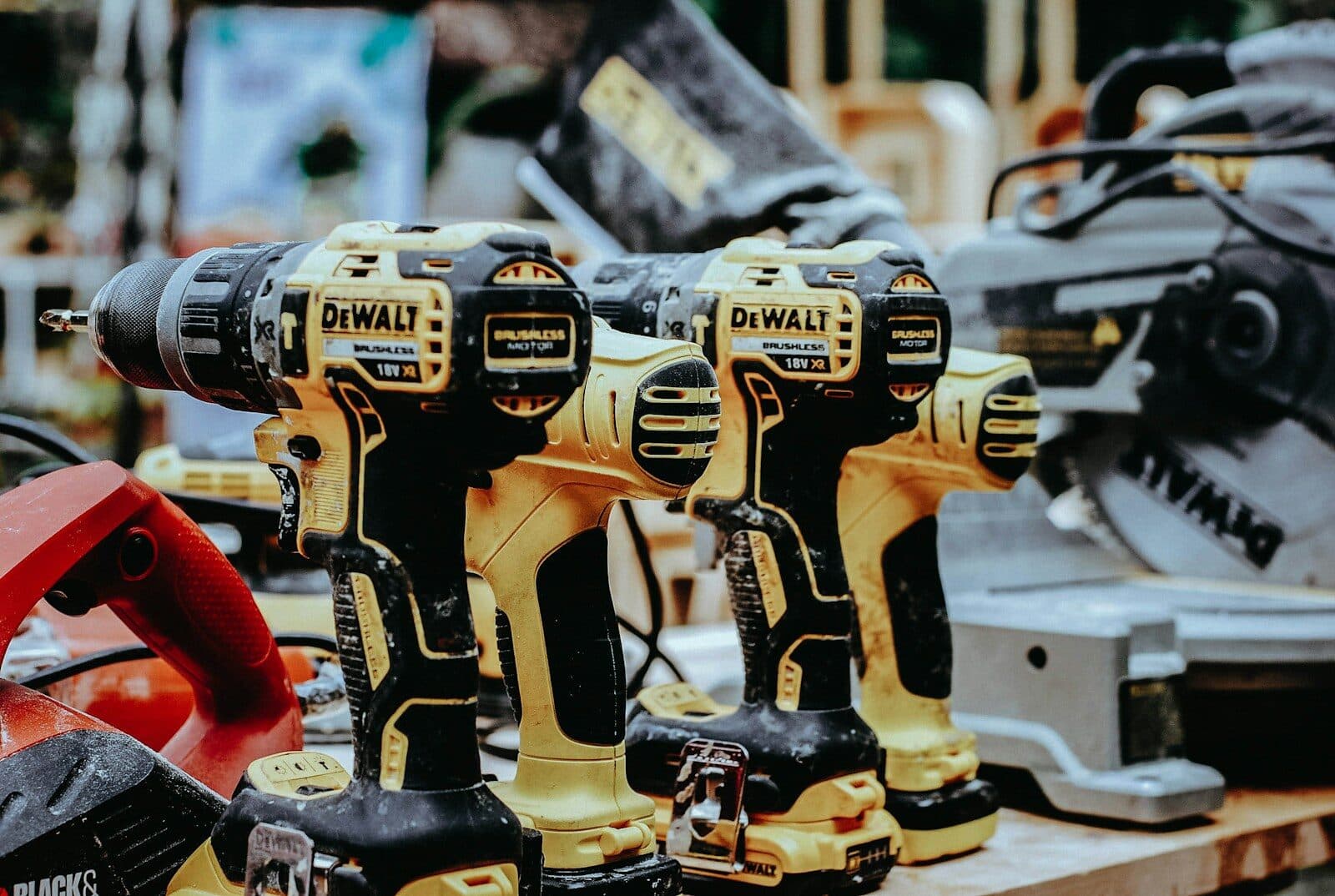
Our firm handles a wide variety of claims involving consumer, industrial, and medical products, including:
To win a product liability lawsuit, we must document and prove several key elements:
In South Carolina, you generally have three years from the date of the injury to file a product liability claim. However, because of the “Discovery Rule,” the clock might not start until you realize (or should have realized) that the product was the cause of your harm. Despite this window, immediate action is vital. Evidence like the defective product itself can be lost, and corporate records can be destroyed if not legally preserved.
What is a product liability claim in South Carolina?
Who can be held responsible for a defective product?
What are the most common types of defective products?
How do I prove that a defective product caused my injury?
How long do I have to file a product liability lawsuit in South Carolina?






Corporate legal teams are built to delay and deny your claim. From our principal office in Murrells Inlet to our 17 other locations statewide, we provide the localized support and high-level legal power you need.
Contact The Law Offices of David L. Hood today or reach out online for a free, confidential consultation. We work on a contingency fee basis; you pay nothing unless we successfully recover money for you.