South Carolina Industrial Accident Lawyer:

Protecting Workers in Factories and Plants

When the Machinery of Industry Results in Injury

South Carolina’s manufacturing and industrial sectors are the backbone of our economy, but the environments within factories, refineries, and plants are inherently high-risk. Massive machinery, volatile chemicals, and high-voltage systems create a setting where a single mechanical failure or safety oversight can cause catastrophic harm. When these accidents occur, the path to recovery is often obstructed by complex insurance policies and corporate legal teams.

At The Law Offices of David L. Hood, we specialize in holding industrial employers and third-party contractors accountable. Whether your injury was caused by a boiler explosion, a forklift malfunction, or long-term toxic exposure, we provide the aggressive representation necessary to secure your livelihood. With over 30 years of experience, attorney David L. Hood and his co-counsel legal team understand the technical nature of industrial litigation and are prepared to fight for the benefits and damages you deserve.

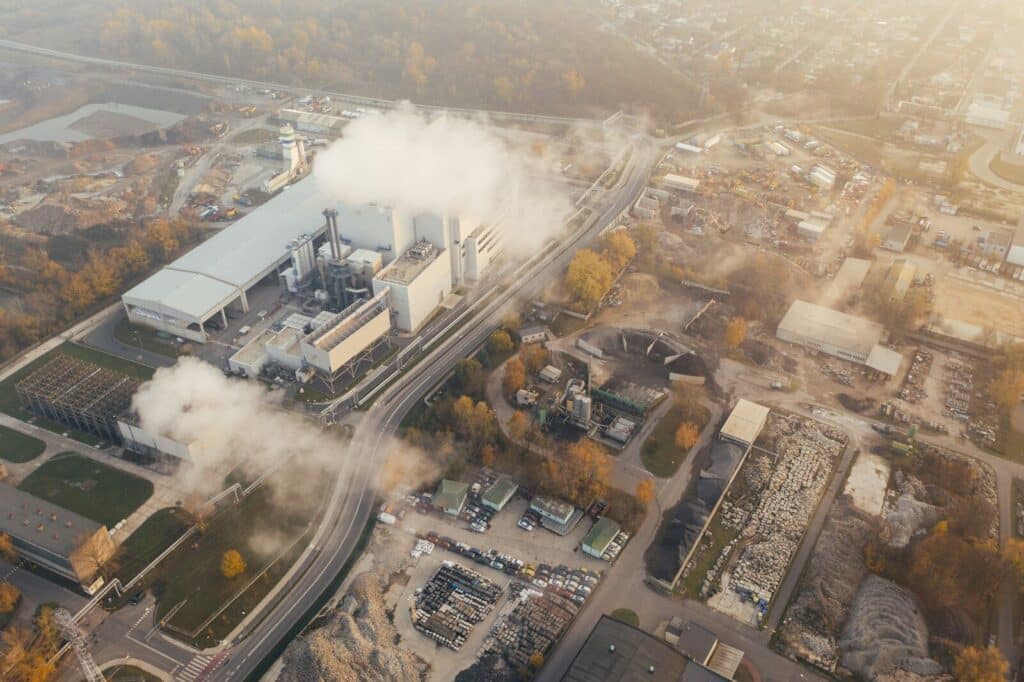
white smoke coming out from building
Primary Risks in

South Carolina’s Industrial Sector

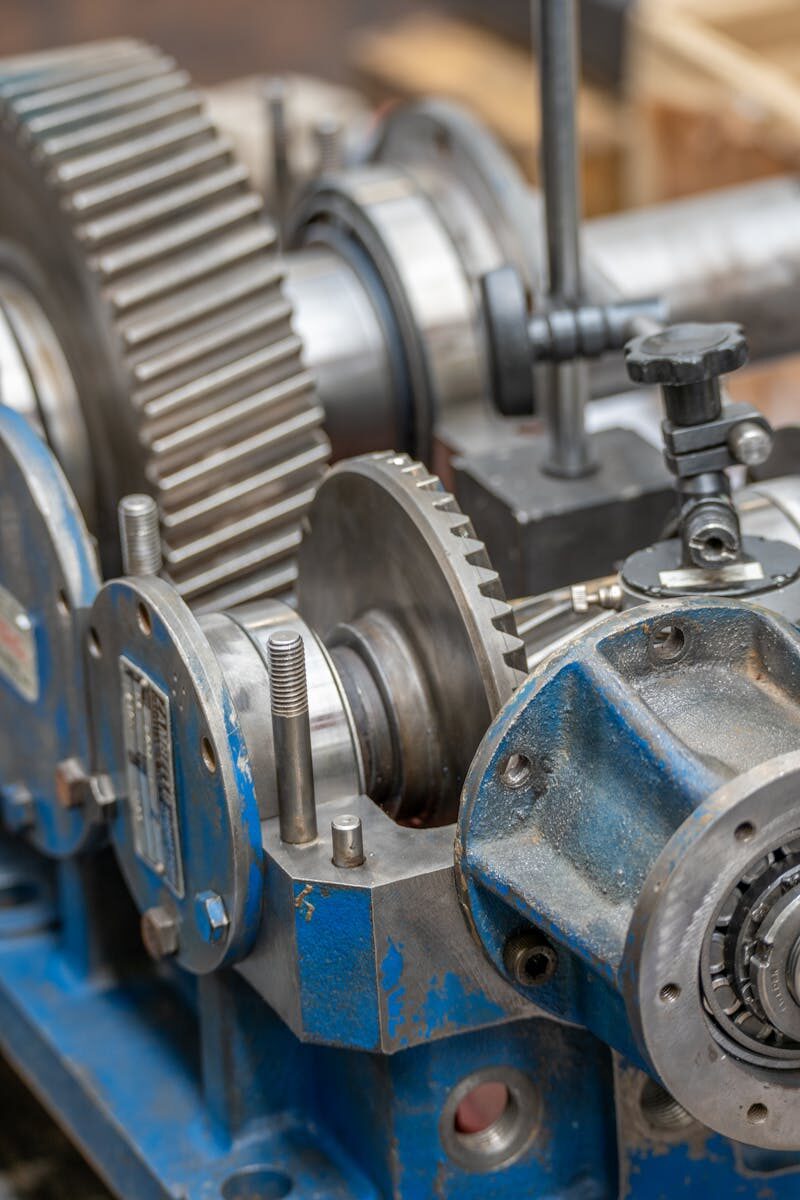
Detailed view of gears and metal components in an industrial setting.

Industrial environments present unique hazards that differ from standard construction or office settings. We represent workers injured by:

Machinery and Equipment Failure:
Accidents involving conveyors, presses, or CNC machines that lack proper safety guards or have not been maintained.

Chemical Exposure and Explosions:
Severe burns or respiratory damage caused by chemical leaks, combustible dust, or faulty storage of flammable materials.
Falls from Elevated Platforms:
Injuries sustained from catwalks, scaffolding, or ladders that were not properly secured or inspected.
Electrocution and Arc Flashes:
High-voltage accidents resulting from faulty wiring, ungrounded equipment, or a lack of lockout/tagout (LOTO) procedures.
Fires and Refining Accidents:
Catastrophic events at plants often caused by cooling failures or ignition sparks in volatile environments.
Identifying Liability:

Who is Responsible?

Determining who to hold accountable after an industrial accident requires a deep dive into the site’s operations. Your recovery may come from multiple sources:
1
Workers’ Compensation (Employer):
South Carolina is a "no-fault" state, meaning you can collect benefits even if you made a mistake. While you generally cannot sue your employer directly, workers' comp provides medical coverage and wage replacement.
2
Product Liability (Manufacturers):
If a machine malfunctioned due to a design or manufacturing defect, we can pursue a claim against the company that built the equipment.
3
Third-Party Contractors:
Many plants utilize outside contractors for maintenance or logistics. If a contractor’s negligence caused your accident, they can be held liable in a personal injury lawsuit.
4
Property Owners:
If the physical premises where the plant is located had undisclosed hazards, the landowner may share liability.
Catastrophic

Industrial Injuries

person holding brown and white textile

Because of the scale of industrial equipment, injuries are often life-altering and include:

Amputations and Crush Injuries:
Often occurring when limbs are caught in moving machine parts or "pinch points."
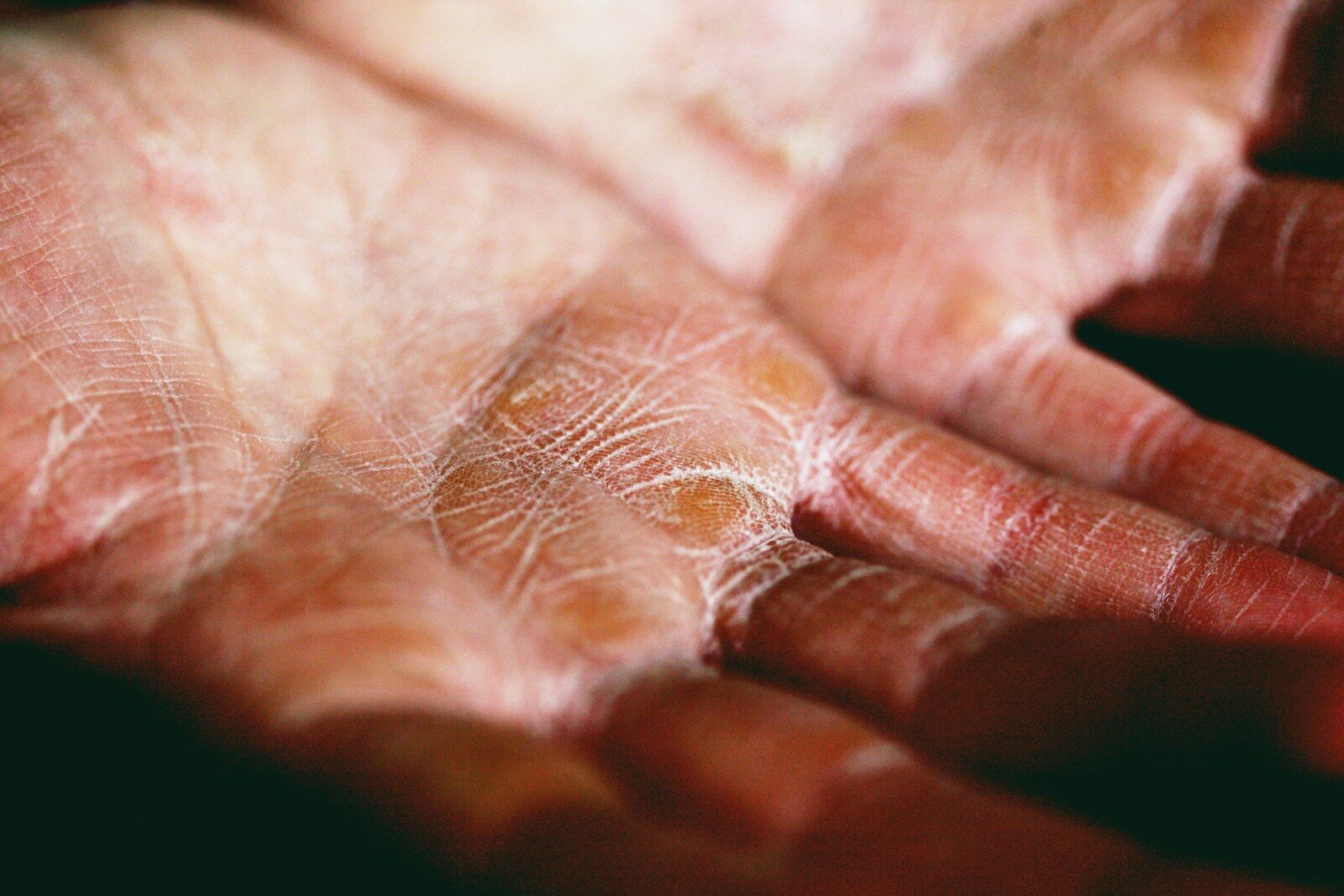
Severe Thermal and Chemical Burns:
Requiring extensive skin grafts and long-term specialized care.
Traumatic Brain Injuries (TBI):
Resulting from falls or being struck by heavy falling objects.
Occupational Diseases:
Such as COPD or Mesothelioma from years of inhaling toxic fumes or asbestos.
Paralysis:
Spinal cord injuries resulting from falls or being pinned by heavy equipment.
person in orange long sleeve shirt writing on white paper
Immediate Steps

After an Industrial Accident

The actions you take immediately following an accident are vital for both your health and your legal claim:

1
Notify a Supervisor:
You must report the injury within 90 days, but immediate reporting prevents the employer from claiming the injury happened elsewhere.
2
Identify the "LOTO" Status:
Determine if Lockout/Tagout procedures were in place at the time of the accident.
3
Preserve the Equipment:
Do not allow the employer to repair or "scrap" the machine involved until it has been inspected by a legal expert.
4
Document the Environment:
Take photos of lighting conditions, spills, or the lack of safety signage.
5
Consult with David L. Hood:
Before speaking with an insurance adjuster or signing a statement, ensure your rights are protected by counsel.

Statute of Limitations

For Workers’ Compensation, you have two years from the date of the accident to file your claim (Form 50). For Third-Party Personal Injury or Product Liability lawsuits, the deadline is generally three years. However, in industrial cases, evidence like digital maintenance logs can be overwritten quickly, making it essential to act fast.

We Fight for the Families of South Carolina

If an industrial accident has resulted in the tragic loss of a loved one, we help families pursue wrongful death claims to cover funeral expenses and loss of financial support. From Murrells Inlet to North Charleston and Greenville, our team is ready to stand up to the industrial giants on your behalf.

Contact The Law Offices of David L. Hood today or reach out online for a free, confidential consultation. We work on a contingency fee basis; you pay nothing unless we recover compensation for you.


The Law Offices of David L. Hood’s principal office is located in Murrells Inlet, SC and that is where Attorney Hood principally performs legal services and practices law. This website constitutes attorney advertising and is designed for general information only. The information presented in this website should not be construed to be formal legal advice or create an attorney client relationship.
© 2026 The Law Offices of David L. Hood All rights reserved.