The robotic bronchoscope is one of the most exciting advancements in diagnosing lung cancer. In recent years, new technology has helped doctors find and treat lung cancer more effectively.
Lung cancer is one of the most serious health problems in the United States, including here in South Carolina. Early detection and accurate diagnosis can make a big difference in a patient’s outcome.
A bronchoscope is a thin tube that doctors use to look inside the lungs. Traditional bronchoscopes have been used for many years, but they have limits. They can struggle to reach small or hard-to-find areas in the lungs.
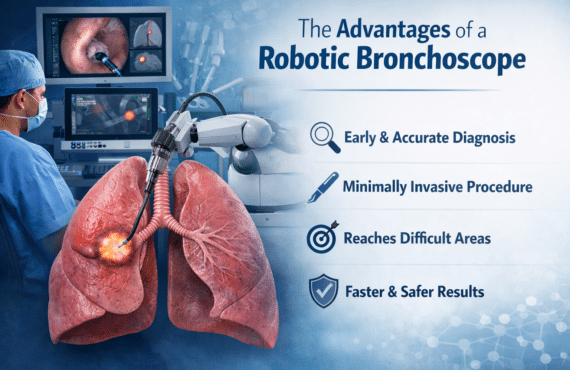
A robotic bronchoscope uses advanced technology to guide the scope more precisely. It allows doctors to move through the lungs with better control and reach areas that were once difficult to access. This improvement plays a big role in finding lung cancer because it helps doctors detect it earlier and more accurately.
Lung cancer is often called a “silent disease” because symptoms may not appear until it is advanced. When cancer is found early, treatment options are usually more effective, and survival rates improve.
One of the key benefits of robotic bronchoscope is its ability to detect very small nodules. These tiny spots in the lungs may be cancerous, but they can be hard to reach with traditional tools. Robotic bronchoscopy helps doctors biopsy these nodules sooner, which can lead to earlier diagnosis.
Accuracy is critical when diagnosing lung cancer. A missed or incorrect diagnosis can delay treatment and affect a patient’s health.
Robotic bronchoscopy offers better navigation and imaging. Doctors can guide the scope with high precision, reducing the chance of missing a suspicious area. This level of accuracy helps ensure patients receive the correct diagnosis faster.
Many patients worry about invasive procedures, especially when it involves the lungs. Traditional methods sometimes require surgery or more aggressive techniques.
One of the biggest benefits in robotic bronchoscopeis that it is minimally invasive. The procedure is done through the airways, meaning no large incisions are needed. This can lead to:
Patients often go home the same day, which makes the process easier and less stressful.
The lungs are complex, with many small branches. Some areas are very difficult to reach with older tools.
A robotic bronchoscope can navigate these pathways more effectively, providing improved reach. Doctors can now examine areas that were once nearly impossible to access, increasing the chances of finding cancer early.
Medical procedures always come with some level of risk. However, newer technology aims to reduce those risks as much as possible.
Because robotic bronchoscopy is more precise, it lowers the chance of damaging healthy tissue. It also reduces the risk of complications like bleeding or lung collapse. These safety improvements benefit patients tremendously.
Waiting for test results can be stressful. Patients often feel anxious not knowing what is happening with their health.
Robotic bronchoscopy can speed up the process. Because doctors can reach and biopsy nodules more accurately the first time, fewer repeat procedures are needed. This efficiency helps patients get answers and begin treatment sooner.
Once lung cancer is diagnosed, doctors must decide on the best treatment plan. This may include surgery, chemotherapy, radiation, or a combination of treatments.
Accurate biopsy results help doctors understand the type and stage of cancer. This information is critical for creating an effective treatment plan. The improved precision ensures patients receive the right care from the start.
Medical technology continues to evolve, and robotic bronchoscopy is becoming an important part of modern healthcare. Hospitals and specialists across the country, including right here in South Carolina are beginning to adopt this tool as a standard method for lung cancer diagnosis.
The growing use of the robotic bronchoscope highlights how innovation can improve patient outcomes. As more doctors gain experience with robotic systems, the benefits are expected to increase even further.
While there are many benefits of robotic bronchoscopy, it is also important to understand that no medical procedure is completely risk-free. Robotic bronchoscopy is generally considered safe, but complications can still happen in some cases. Here are some examples of complications:
Even with advanced technology, there is still a chance that the procedure may not reach the targeted lung nodule or may not collect enough tissue for a clear diagnosis. When this happens, additional testing or procedures may be needed, which can delay treatment.
Understanding these risks is important. While the technology improves accuracy and safety, proper training and careful use by medical professionals remain essential to achieving the best outcomes for patients.
While robotic bronchoscopy offers many benefits, it is still important for healthcare providers to use the technology correctly. Mistakes in diagnosis or delays in treatment can still occur.
If a doctor fails to properly diagnose lung cancer or does not use available tools when appropriate, it may be considered medical negligence. At The Law Offices of David L. Hood, we understand how serious these situations can be. Patients and families trust medical professionals to provide proper care, and when that trust is broken, legal action may be necessary. We are here to help. Contact us today!
At The Law Offices of David L. Hood, we are committed to helping individuals across South Carolina who have been harmed by medical negligence. Lung cancer cases can be complex, especially when advanced technology like robotic bronchoscopy is involved.
Attorney David L. Hood and his legal co-counsel team work closely with medical experts to review each case. We look at whether the proper standard of care was followed and whether earlier diagnosis could have made a difference. Understanding the advantages and complications of a robotic bronchoscope can also play a role in determining if better options were available but not used.
We believe that every patient deserves access to the best possible care. When that care falls short, we are here to help you seek justice and compensation.
Our commitment to client care and results has earned us strong recognition in the legal community. The Law Offices of David L. Hood has received prestigious honors, including being named among America’s Top 100 Medical Malpractice Litigators and earning awards such as the Avvo Client’s Choice and Martindale-Hubbell Client Champion distinctions. These awards reflect both legal skill and a dedication to client satisfaction.
Just as important, the firm is proud to have over 100 five-star reviews from clients who consistently praise the team’s professionalism, communication, and persistence. Many clients highlight how the firm “goes above and beyond,” keeps them informed throughout the process, and fights for the best possible outcome.
If you or a loved one has been affected by a delayed or incorrect lung cancer diagnosis, it is important to understand your legal rights. The Law Offices of David L. Hood is here to guide you through the process and help you take the next steps.
Contact us today at one of our 18 South Carolina locations for a free consultation and let us help you protect your future. We can also be contacted by chat, text or email. Call us today!