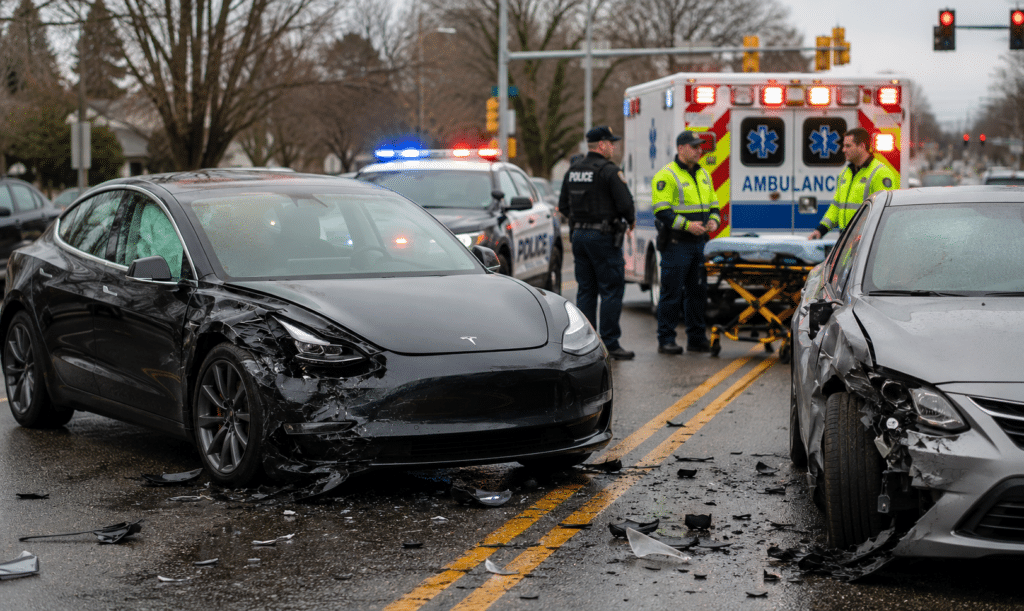
Self-driving vehicle accidents are becoming a growing concern as more automated vehicles appear on roads across South Carolina and the United States. While self-driving technology promises greater convenience and improved safety, accidents still happen. When they do, determining who is responsible can be much more complicated than in a traditional car accident.
At The Law Offices of David L. Hood, we understand that victims injured in crashes involving autonomous vehicles may have questions about their rights. Understanding liability in these cases is important because multiple parties may share responsibility for the accident.
A self-driving vehicle, also known as an autonomous vehicle, uses computers, sensors, cameras, radar, and artificial intelligence to navigate roads with limited or no human input. Some vehicles currently on the market have advanced driver assistance features that can help with steering, braking, and lane changes. Other autonomous vehicles are being tested with even greater levels of automation.
Although technology continues to improve, self-driving systems are not perfect. Equipment failures, software errors, poor road conditions, and human mistakes can still lead to serious accidents.
Many people assume that autonomous vehicles eliminate human error. However, self-driving vehicle accidents can occur for several reasons. Some common causes include:
Even advanced systems may struggle to react correctly in construction zones, severe weather, or situations involving pedestrians and cyclists.
One of the biggest challenges in self-driving vehicle accidents is identifying who is legally responsible. Unlike a traditional crash, liability may extend beyond the person sitting behind the wheel.
Many autonomous vehicles still require a human operator to remain alert and ready to take control. If the driver fails to pay attention or misuses the vehicle’s autonomous features, they may be held responsible for the crash.
For example, if a driver relies too heavily on the system and ignores warnings to take control, their negligence could contribute to an accident.
Vehicle manufacturers may be liable when a defect in the design or production of the vehicle contributes to a collision. This could include defective sensors, faulty brakes, steering problems, or other dangerous defects.
Manufacturers have a duty to ensure that their vehicles are reasonably safe for consumers. If they fail to meet this responsibility, injured victims may have grounds for a product liability claim.
The National Highway Traffic Safety Administration’s (NHTSA) 5-Star Safety Ratings help consumers make smart decisions about safety when purchasing a vehicle.
Software plays a critical role in autonomous vehicle operation. If a programming error causes the vehicle to make dangerous decisions, the company responsible for developing the software could potentially face liability.
As technology becomes more sophisticated, software-related claims may become increasingly common in self-driving vehicle accidents.
Autonomous vehicles rely on numerous components from different suppliers. If a defective camera, sensor, radar system, or other part contributes to a crash, the manufacturer of that component may be held responsible.
Product liability laws often allow injured victims to seek compensation from companies that place defective products into the marketplace.
Regular maintenance is essential for both traditional and autonomous vehicles. If a repair shop fails to properly maintain or repair critical systems, that negligence may contribute to an accident.
For example, improperly calibrated sensors or damaged cameras could interfere with the vehicle’s ability to detect hazards.
Determining fault in self-driving vehicle accidents often requires extensive investigation. Evidence may include:
Unlike a typical collision, investigators may need to analyze thousands of data points generated by the vehicle’s systems.
This is one reason why accident victims should seek legal guidance as soon as possible after a crash. Critical evidence can be lost if it is not preserved quickly.
Like any motor vehicle collision, self-driving vehicle accidents can cause severe injuries. Common injuries include:
Some victims face months or years of recovery. Others may suffer permanent disabilities that affect their ability to work and enjoy daily life.
Individuals injured in self-driving vehicle accidents may be entitled to compensation for their losses. Depending on the circumstances, damages may include:
Attorney David L. Hood and his co-counsel legal team have been helping victims of motor vehicle accidents throughout South Carolina for over 30 years. Contact us now for your free initial consultation!
As self-driving technology becomes more common, courts and lawmakers will continue addressing new legal questions. Existing negligence and product liability laws currently provide a framework for handling many autonomous vehicle cases, but future legislation may create additional rules specific to self-driving vehicles.
One thing remains clear: companies developing and deploying autonomous technology must prioritize safety. When they fail to do so, injured victims deserve accountability.
Cases involving self-driving vehicle accidents are often more complex than traditional car accident claims. Multiple companies, insurance carriers, and technical experts may become involved.
An experienced personal injury attorney can:
Having legal representation can make a significant difference when dealing with sophisticated technology and large corporate defendants.
The Law Offices of David L. Hood has built a strong reputation for helping injury victims throughout South Carolina. Attorney David L. Hood has earned recognition for his dedication to clients and his commitment to pursuing justice for those harmed by negligence. The firm has received positive client reviews, professional honors, and recognition within the legal community. Most importantly, the firm focuses on providing compassionate service and aggressive representation for individuals and families facing difficult circumstances after serious accidents.
Self-driving vehicle accidents present unique legal challenges that differ from traditional car crashes. As autonomous technology continues to evolve, questions about liability will become increasingly important. Whether an accident is caused by driver negligence, defective technology, or software failures, injured victims have legal rights.
If you or a loved one has been injured in one of the growing number of self-driving vehicle accidents, The Law Offices of David L. Hood can help evaluate your case and explain your options. Understanding your rights is the first step toward seeking the compensation and accountability you deserve. Contact us today at one of our 18 South Carolina locations, or by phone, text, chat, or email. With our free initial consultation, you pay nothing unless we win your case!