
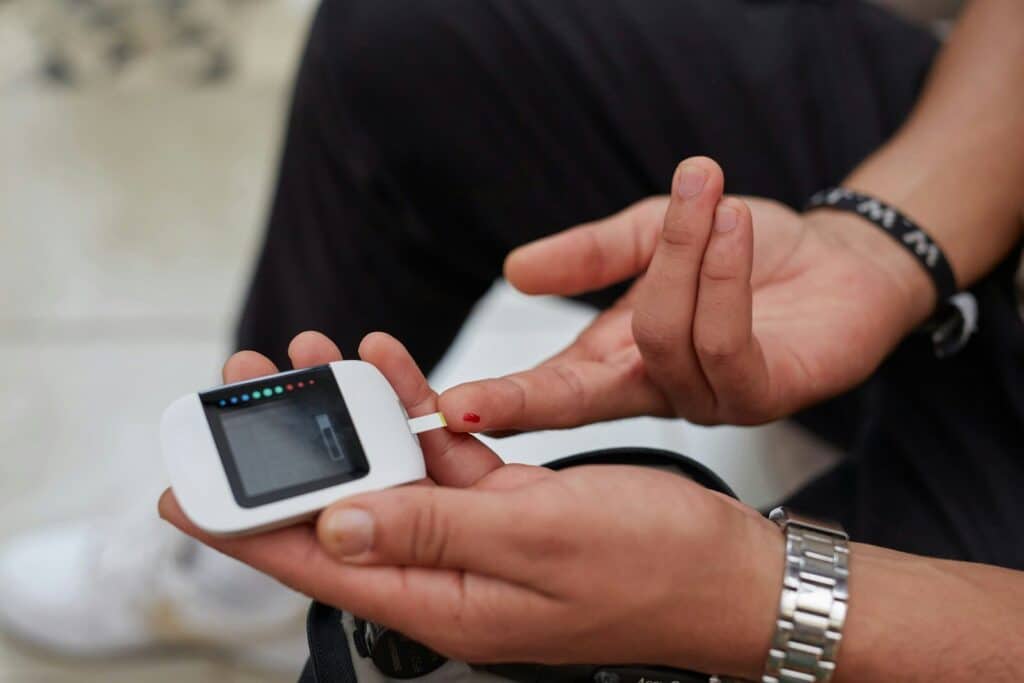
Type 2 diabetes medical malpractice can occur when a healthcare provider fails to properly diagnose, treat, monitor, or manage diabetes and that failure causes serious harm to a patient. While Type 2 diabetes is a common condition (accounting for 90–95% of all diabetes cases), mistakes in diagnosing or treating it can sometimes have serious consequences. (American Diabetes Association)
According to the American Diabetes Association, Type 2 diabetes can develop gradually and may go undiagnosed for years. During that time, untreated high blood sugar can increase the risk of serious complications.
But not every bad outcome involving diabetes is medical malpractice. To have a potential claim, there generally must be evidence that a healthcare provider failed to meet the required standard of care and that the failure caused an injury or other damages.
Type 2 diabetes is a chronic condition that affects the way the body uses blood sugar. Over time, high blood sugar can damage blood vessels, nerves, and organs.
Doctors can use tests such as an A1C test, fasting blood glucose test, or oral glucose tolerance test to help diagnose diabetes. The American Diabetes Association recommends appropriate testing and, in many cases, confirmation of the diagnosis.
Because Type 2 diabetes may develop slowly, some people do not know they have it. That makes proper screening, diagnosis, follow-up, and treatment important.
South Carolina has one of the highest rates of type 2 diabetes in the United States. We are ranked 42 out of 49 in prevalence of diabetes.
According to the American Diabetes Association, a whopping 11.7% of South Carolinians have diabetes, which is over 600,000 people. Every year, another 43,000 adults are diagnosed with diabetes. An additional 120,000+ people in South Carolina have diabetes but don’t know it. Because symptoms of diabetes develop slowly over time, it is easy for them to go unnoticed.
Symptoms of type 2 diabetes include:
Type 2 diabetes medical malpractice may be a concern when a healthcare provider’s mistake or failure causes a patient to suffer an injury that could have been prevented with appropriate care.
Examples may include:
These situations do not automatically mean malpractice occurred. Medical records and other evidence must be reviewed to determine whether the healthcare provider’s care fell below the applicable standard of care.
A type 2 diabetes misdiagnosis can delay treatment at a time when a patient needs medical attention.
For example, symptoms associated with diabetes may sometimes be attributed to another condition. If appropriate testing is not performed or abnormal results are overlooked, a patient may continue living with untreated high blood sugar.
The American Diabetes Association notes that people with undiagnosed diabetes face increased risks of complications associated with untreated hyperglycemia.
A failure to diagnose diabetes does not automatically establish negligence. However, if a healthcare provider should reasonably have recognized the condition and the delay caused additional harm, the circumstances may warrant an investigation.
A delayed diabetes diagnosis can be especially concerning when a patient has symptoms, risk factors, or test results that should have prompted additional evaluation.
The important question is not simply whether the diagnosis was delayed. Instead, a medical malpractice investigation may ask:
Those questions can help determine whether the delay was an unfortunate medical outcome or something that may constitute medical negligence diabetes patients should not have experienced.
Yes. A patient may suffer significant injuries when diabetes is not properly diagnosed or treated.
Depending on the circumstances, uncontrolled diabetes may contribute to complications involving the eyes, kidneys, nerves, blood vessels, heart, or other parts of the body. Serious blood-sugar emergencies can also occur.
A potential diabetes medical malpractice claim may therefore involve more than the underlying diabetes diagnosis. The issue may be whether negligent medical care caused or worsened a patient’s injury.
For example, a patient who should have been diagnosed and treated earlier may argue that a delay allowed a preventable complication to develop or become worse.
A diabetes misdiagnosis lawsuit may be possible when there is evidence that a healthcare provider’s negligent conduct caused an injury.
Generally, a medical malpractice case requires more than showing that a doctor made a mistake or that treatment did not produce the expected result. The evidence must connect the healthcare provider’s conduct to the patient’s injury and damages.
Medical records are often critical. Records may include laboratory results, office notes, medication records, imaging, hospital records, referral information, and communications between healthcare providers.
An experienced medical malpractice attorney can review these records and determine whether additional medical experts are needed to evaluate the care provided. At The Law Offices of David L. Hood, we and our co-counsel legal team understand the physical, emotional, and financial toll these cases can have on families. Call us today for a free consultation!
If you believe a healthcare provider failed to properly diagnose or treat your Type 2 diabetes, consider taking the following steps:
If you believe you have a type 2 diabetes medical malpractice claim in South Carolina, it is important not to wait too long to seek legal advice.
South Carolina Code of Law Section 15-3-545 generally provides that a medical malpractice action must be filed within three years from the date of the treatment, omission, or operation giving rise to the claim, or within three years from the date of discovery or when the injury reasonably should have been discovered, subject to an outside limit of six years from the date of the occurrence. However, if you’re dealing with a not for profit or teaching hospital, the Statute of Limitations is two years. There are also exceptions and special rules, so the deadline can depend on the facts of the case.
Because missing a legal deadline can prevent a claim from being pursued, anyone who suspects medical negligence should speak with a South Carolina medical malpractice attorney as soon as possible.
A type 2 diabetes medical malpractice case can involve complicated medical records and questions about what a healthcare provider should have done.
An attorney can investigate the circumstances, obtain medical records, consult qualified medical experts, determine whether negligence may have occurred, and evaluate the injuries and financial losses involved.
The goal is to understand what happened and whether the evidence supports a claim for compensation.
Attorney David L. Hood and his co-counsel legal team represent people who have been seriously injured because of suspected medical negligence. Our firm focuses on helping injured South Carolina residents understand their legal options and pursue the compensation they may be entitled to receive.
The Law Offices of David L. Hood has received recognition from legal and professional organizations, including America’s Top 100 Personal Injury Attorneys, America’s Top 100 Medical Malpractice Litigators, the National Association of Distinguished Counsel, and The National Trial Lawyers. These recognitions are part of the firm’s history of representing injured clients in serious personal injury and medical malpractice matters.
The Law Offices of David L. Hood also has 108 (and counting) verified five-star client reviews from people we have helped during difficult times.
Potentially. A failure to diagnose diabetes may support a medical malpractice claim if the evidence shows that the healthcare provider failed to meet the applicable standard of care and that the failure caused the patient to suffer additional harm.
A delayed diabetes diagnosis is not automatically malpractice. The circumstances must be examined to determine whether the healthcare provider acted appropriately based on the symptoms, test results, medical history, and information available at the time.
Examples may include failing to order appropriate testing, overlooking abnormal laboratory results, failing to diagnose diabetes, prescribing an inappropriate medication, or failing to properly respond to dangerously high blood sugar. Whether any particular situation constitutes malpractice requires a case-specific review.
Medical records and expert medical opinions are key. A claim generally requires evidence concerning the appropriate standard of care, a breach of that standard, and a connection between the breach and the patient’s injury and damages.
South Carolina generally provides a three-year to two year limitations period for medical malpractice claims, with the law also providing a discovery rule and a six-year outside limit in many cases. However, exceptions can apply, so anyone considering a claim should have the specific circumstances reviewed promptly.
If you or a loved one suffered harm after a type 2 diabetes misdiagnosis, delayed diagnosis, medication error, or other suspected medical negligence, you may have questions about your legal rights.
The Law Offices of David L. Hood represents injured people throughout South Carolina. If you believe negligent medical care caused you additional harm, contact our office for a free, no-risk initial consultation by phone, text, chat, or email today! You do not pay attorney fees unless there is a recovery in your case, subject to the terms of your representation agreement. Let us put our over 30 years’ experience to work for you!