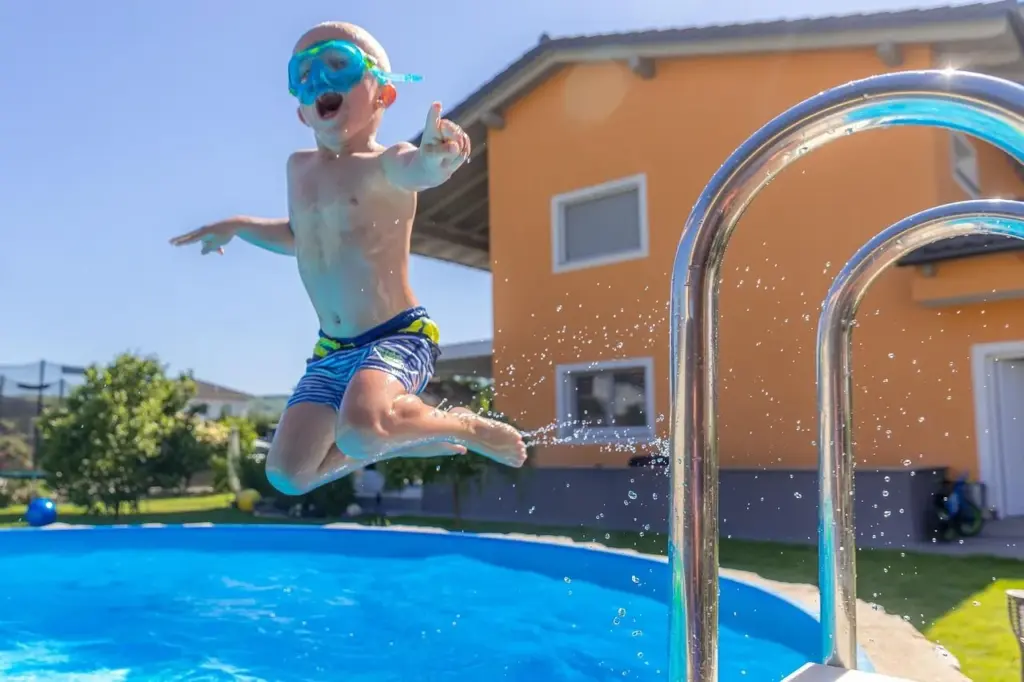
Pool chlorine dangers are more common than many people realize. While swimming is a fun and healthy activity—especially during hot South Carolina summers—it also comes with risks. Chlorine helps keep pools clean, but improper use or overexposure can lead to serious health concerns.
Understanding pool chlorine dangers can help protect you, your family, and your guests while still enjoying time in the water.
Chlorine is used to keep swimming pools clean, and free from bacteria, algae and other harmful substances, so the water is safe for swimming. “Chlorine breaks down oils, lotions and skin flakes, more commonly known as “bather waste”.” (LovetoKnow.com)
Chlorine has many risks-much like household chemicals, if not used and stored properly.
When chlorine interacts with “bather waste”, it can form harmful byproducts called chloramines. These compounds are responsible for that strong “chlorine smell” and are a major source of pool chlorine dangers.
The most common injury is poisoning, by breathing in the fumes. Other injuries occur when chlorine is not secured out of the reach of children, and “when people enter a pool too soon after chemicals have been added.” (TheWashingtonPost.com)
Recent data from the Centers for Disease Control and Prevention (CDC) shows that thousands of people in the United States visit emergency rooms each year due to pool chemical exposure.
Many of these injuries happen due to improper handling, storage mistakes, or entering the water too soon after chemicals are added.
Exposure to chlorine, especially in high amounts, can affect the body in several ways. Below are some of the most common pool chlorine dangers:
1. Respiratory Problems: Breathing in chlorine fumes can irritate the lungs and airways. This can:
Indoor pools often pose a higher risk due to poor ventilation.
2. Skin Irritation and Conditions: Chlorine can strip the skin of natural oils, leading to:
Repeated exposure increases the risk of long-term irritation.
3. Eye Irritation: Red, burning, or watery eyes are common after swimming in heavily chlorinated pools. This is often caused by chloramines rather than chlorine itself—another example of hidden pool chlorine dangers.
4. Chemical Burns and Poisoning: Improper handling of chlorine products can cause:
These risks are especially serious for children if chemicals are not stored properly.
5. Long-Term Health Concerns: Some studies suggest a possible link between long-term chlorine exposure and:
The reported dangers of chlorine use in swimming pools are scary, but there are some things you can do to keep safe.
For pool owners and operators: If you own or manage a pool, following proper safety practices is critical. These steps can significantly reduce pool chlorine dangers:
Proper pool maintenance is one of the best ways to prevent serious injuries.
For swimmers: Swimmers can also take steps to reduce exposure and stay safe:
By following these simple habits, you can minimize pool chlorine dangers while still enjoying your time in the water.
While minor irritation is common, some situations require immediate medical attention. Seek help if you or someone else experiences:
These symptoms may indicate serious exposure to pool chemicals.
The CDC can provide more information on chlorine safety and what to do in the case of a chlorine emergency.
In some cases, injuries caused by pool chlorine dangers may be the result of negligence. This can include:
If you or a loved one has been injured due to unsafe pool conditions, you may have legal options.
The Law Offices of David L. Hood knows accidents can turn a person’s life upside-down, but we’re here to support you and guide you at every step in your journey toward justice and healing. Contact us today!
Attorney David L. Hood and his legal co-counsel team have years of experience helping injury victims across Georgetown County, Horry County, and throughout South Carolina. We understand how quickly an accident can change your life, and we are here to help you every step of the way.
We offer:
If you or a loved one has been harmed due to unsafe pool conditions or chemical exposure through no fault of your own, call us today at one of our 18 South Carolina locations or by chat, text or email.
We have built a strong reputation across South Carolina for client service, professionalism, and results. Attorney David Hood has been recognized with honors such as the Nation’s Top One Percent designation from the National Association of Distinguished Counsel. The firm has also earned recognition through legal directories for strong client satisfaction and professional standards, including awards tied to high review ratings and peer recognition.
Clients frequently highlight the firm’s communication, compassion, and dedication throughout the legal process. Many reviews praise the office for keeping clients informed, explaining legal matters clearly, and fighting for favorable outcomes. The firm has received over five-star reviews (and growing) from clients who describe their experience as professional, supportive, and results-driven. Positive feedback often mentions the personal attention provided by David Hood and his staff, especially during difficult injury and disability cases.