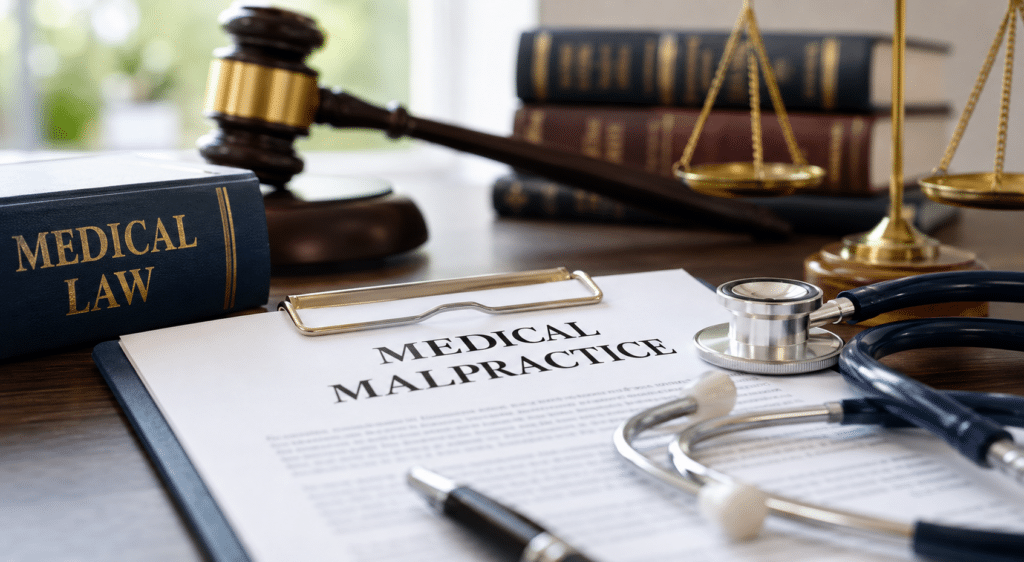
Learning about common examples of medical malpractice can help you recognize when something may have gone wrong.
When people search for medical malpractice, they often want to know what mistakes qualify as malpractice and whether they may have a legal claim. While not every bad medical outcome is caused by negligence, some healthcare errors could have been prevented if the accepted standard of care had been followed. When those preventable mistakes cause serious harm, patients and their families may have the right to seek compensation.
Medical malpractice typically happens when a doctor, nurse, hospital, pharmacist, or another healthcare provider fails to provide the level of care that a reasonably skilled medical professional would have provided under similar circumstances. The result should be an injury or worsening of the patient’s condition.
If you or someone you care about has suffered because of medical malpractice, The Law Offices of David L. Hood can help you understand your legal rights.
David L. Hood and his co-counsel legal team understand the physical, emotional, and financial toll these cases can have on families. Call us today for a free consultation!
Medical malpractice is more than simply making a mistake. Medicine is not perfect, and even skilled doctors cannot guarantee successful outcomes. However, healthcare providers are expected to follow accepted medical standards.
To win a medical malpractice claim, an injured patient generally should prove:
Most examples of medical malpractice involve errors that could have been avoided with proper care, communication, attention or simply following standard procedures.
While medical malpractice consists of a small number of legal cases each year, certain medical errors are more common in medical malpractice cases, including:
If a serious health condition is not diagnosed in a timely way or is misdiagnosed, treatment options may become less effective or even ineffective for the patient. In a medical malpractice situation, a treating doctor’s handling of a patient’s case would be compared to other doctors’ methods for diagnosing the patient’s condition. An attorney may also find that the treating physician took steps in the diagnosis process that aren’t standard and caused them to miss the real medical issue.
Delayed diagnosis is one of the leading examples of medical malpractice because early treatment often makes a significant difference. Conditions commonly involved include:
A delayed diagnosis may allow a disease to spread or become much harder to treat. Sometimes, it even results in death.
Our blogs on this subject:
Delayed Cancer Diagnosis Lawsuits in South Carolina
Stroke Misdiagnosis Lawsuits
Anesthesia errors can result in brain damage, permanent injury, or death. An anesthesia error could be considered medical malpractice if an anesthesiologist fails to investigate a patient’s medical history or consider the medications the patient is on. Additionally, improper dosage, failure to monitor vitals, and defective equipment are other anesthesia errors that may be considered medical malpractice.
Because anesthesia affects breathing, blood pressure, and heart function, even small mistakes can have devastating consequences. Anesthesia mistakes are serious examples of medical malpractice that typically require expert medical opinions to determine exactly what went wrong.
Our blog on this subject:
Anesthesia Errors and Your Legal Rights
Surgeons and attending nurses may commit surgery errors that warrant a medical malpractice claim. Surgeons sometimes puncture internal organs, leave surgical instruments inside a person’s body, or operate on the wrong body part altogether, while a nurse might be negligent in giving postoperative care and causing complications, including serious injury or death.
Additional surgical mistakes may include:
These examples of medical malpractice often require patients to undergo additional surgeries and lengthy rehabilitation and can lead to an untimely death.
This type of medical malpractice committed by a physician or obstetrician can happen during pregnancy or childbirth. Two primary kinds of negligence may occur concerning fetal and childbirth injuries:
Birth injuries can lead to lifelong disabilities such as cerebral palsy, nerve injuries, or developmental delays. These heartbreaking examples of medical malpractice often affect both the child and the entire family for years to come.
For information from the CDC on pregnancy complications: CDC.gov Pregnancy Complications
An estimated one million medication errors occur each year, contributing to approximately 7,000 deaths in the United States. Patients may be harmed by medication errors in many ways, including when a doctor prescribes the wrong medication or prescribes medication for a misdiagnosed condition. Most often, a medication error happens when an incorrect dosage is prescribed, whether due to a bad prescription, a pharmacy error, or even a drug manufacturing defect.
Medication mistakes may also involve:
These examples of medical malpractice can cause severe allergic reactions, organ damage, permanent disability, or even death.
Bedsores, also called pressure ulcers or pressure injuries, are among the most preventable examples of medical malpractice. They often develop when hospital patients, nursing home residents, or individuals recovering from surgery remain in the same position for long periods without being turned, repositioned, or properly monitored.
Healthcare providers are expected to identify patients who are at risk for pressure ulcers and take preventive steps, including:
When these basic standards of care are ignored, patients may develop painful Stage III or Stage IV pressure ulcers that expose muscle or bone, become infected, or even lead to strokes, heart attacks, sepsis or death.
Bedsores are especially common in:
Because pressure ulcers are largely preventable with proper care, they are frequently cited as examples of medical malpractice and nursing home negligence.
Although the six categories above are among the most common, there are many other situations where medical negligence may occur, including:
Every case depends on its own facts. An experienced attorney can review medical records and consult qualified medical experts to determine whether negligence occurred.
If you believe you or someone you love has been injured because of medical negligence, taking action quickly is important.
Consider these steps:
Many successful cases begin with careful investigation and expert medical review.
Medical malpractice cases are among the most complex personal injury claims. They often require extensive medical records, testimony from qualified medical experts, and a detailed understanding of South Carolina law.
An attorney may be able to:
Having experienced legal representation allows injured patients to focus on healing while their legal team handles the complicated claims process. Contact The Law Offices of David L. Hood today!
If you have suffered injuries because of medical negligence, The Law Offices of David L. Hood and his co-counsel legal team has spent more than 30 years helping injured South Carolinians pursue justice. We understand how devastating medical errors can be for patients and their families and work tirelessly to investigate every claim.
Attorney David L. Hood has earned recognition as one of America’s Top 100 Personal Injury Attorneys, has been selected among the Nation’s Top One Percent by the National Association of Distinguished Counsel, and has been recognized as one of America’s Top 100 Medical Malpractice Litigators. The firm has also earned 105 (and counting)verified five-star client reviews and represents clients throughout South Carolina on a contingency fee basis, meaning there is no attorney fee unless compensation is recovered.
If you or a loved one has been harmed by a preventable medical error, you do not have to face the situation alone. The Law Offices of David L. Hood can evaluate your case, explain your legal options, and fight for the compensation you deserve. Contact us today for a free consultation to learn whether your situation may involve one of the many examples of medical malpractice recognized under South Carolina law. You can reach us at one of our 18 South Carolina locations, or by phone, text, chat, or email.
Federal Government resources on patient safety:
Agency for Healthcare Research and Quality (AHRQ) – Patient Safety Network
National Institutes of Health (NIH) – MedlinePlus: Patient Safety